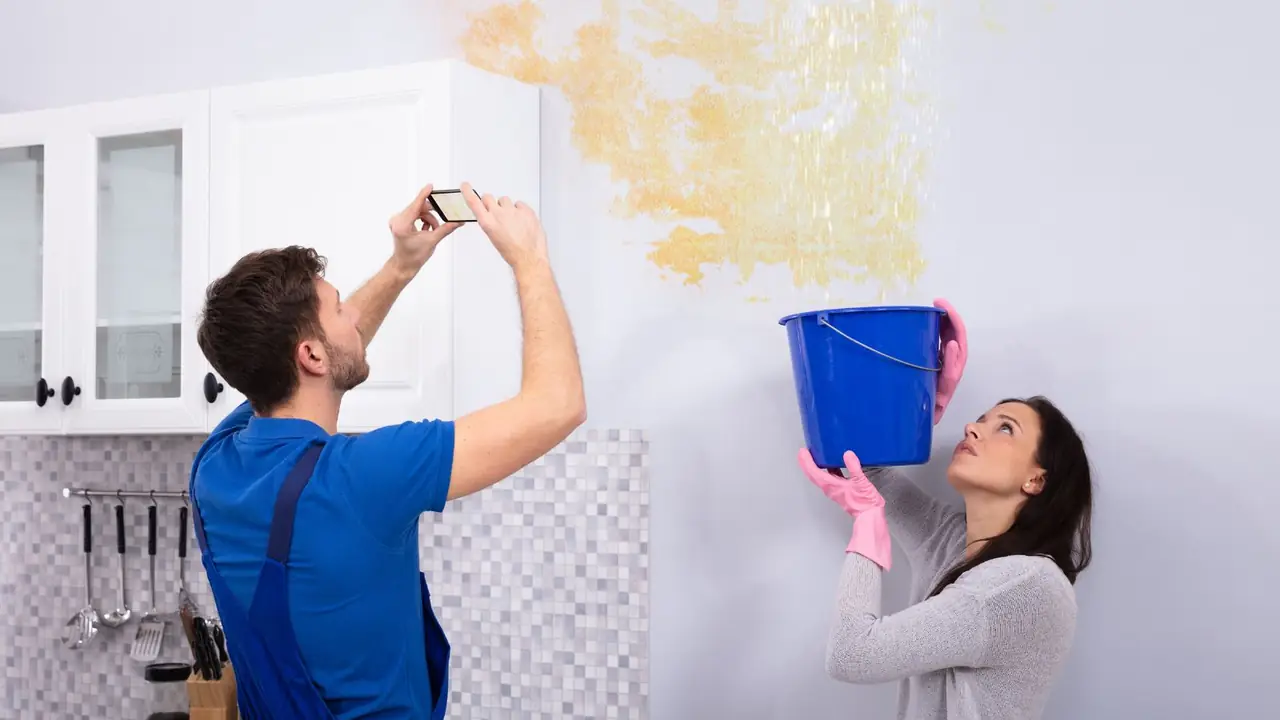
Often, yes, but only for the right kind of leak. The Texas Department of Insurance says most renter policies cover sudden and accidental water damage, such as a broken washer hose or a toilet overflow. Slow leaks and seepage are generally excluded, and flood damage is never part of a standard renter policy.
That split decides almost everything about your claim. A hose that lets go on a Tuesday afternoon is a different event from a drip behind the dishwasher that stained the cabinet over several months. If you rent in Flower Mound, knowing which one you have, and proving it, is the first job after you stop the water.
What a renter policy usually protects
A renter policy covers your belongings, not the building. Your couch, mattress, laptop, clothes and kitchenware are the items an adjuster looks at. The structure itself, meaning drywall, subfloor and cabinets, belongs to your landlord and falls under the landlord's insurance.
Most policies also pay for temporary living costs if a covered loss makes the unit unlivable, though the limits and the wording vary by policy. Read the declarations page for a line called loss of use or additional living expense. If you cannot find it, ask your agent before you need it.
Sudden and accidental versus gradual
Think about how the water arrived. Sudden and accidental means it happened fast and without warning: a supply line burst, an overflowing tub, a dishwasher hose that split. Gradual means it happened slowly over weeks, like a weeping fitting under a bathroom sink or a roof seam that seeped after every storm.
Adjusters look for evidence of duration, such as rust rings, layered staining, swollen cabinet bases and mold growth. This is why a prompt report matters. The longer water sits unreported, the more a claim can look like a gradual loss.
| Situation | Often covered? | What to do first |
|---|---|---|
| Washer hose splits and floods the laundry closet | Often yes, as sudden and accidental | Shut off the supply valve, photograph the water, start drying the same day |
| Upstairs toilet overflows into your ceiling | Often yes for your belongings | Move wet items to a dry room, document the ceiling, tell the landlord in writing |
| Dishwasher hose bursts during a cycle | Often yes | Cut power to the kitchen only if the panel is dry and safe to reach, then call the 24/7 line |
| Slow drip under the sink for weeks | Often no, gradual leaks are generally excluded | Report it anyway, stop the source, and ask your insurer how it will be treated |
| Rain or creek water enters a ground-floor unit | No, flood needs a separate policy | Photograph the waterline, call your insurer, and ask about flood coverage |
| Mold appears on a wall after a covered leak | Mold on a covered damaged item is covered, cleanup often is not | Ask your agent about mold cleanup and testing coverage before work starts |
The first hour after the water starts
Your first move is to stop the source. Close the shut-off valve at the fixture, or the main water valve for the unit. If water is near outlets, a panel or appliances plugged in nearby, stay out and call the utility or 911 before you call a restoration line.
Then protect your things. Lift electronics, books and papers off the floor, pull rugs off wet flooring, and move furniture legs onto foil or plastic. The Texas Department of Insurance advises moving wet items to dry areas and pulling up wet carpets and rugs, because mold can start growing within a day after a leak.
What to photograph before cleanup
Take clear photos and video before anything is moved or thrown away. An adjuster reads these first.
- The source: the split hose, the cracked fitting, the overflowing fixture
- The waterline on walls, cabinets and furniture legs
- Every damaged item, with a wide shot and a close shot
- The ceiling, floor and baseboards in each affected room
- Any moisture meter readings the crew takes, with the date on the screen if possible
Keep damaged belongings until the adjuster has seen them, unless they are a safety problem. Make temporary repairs to stop more damage, such as tarping or shutting valves, and keep every receipt. Hold off on permanent repairs until your insurer has seen the damage.
Water on the floor right now? Call the 24/7 line, and a dispatcher will send a crew to start extraction and drying.
☎ (817) 623-9267Tell the landlord in writing
Report the leak to your landlord or property manager in writing the same day. A text or email with photos creates a time-stamped record. Read your lease for the maintenance contact and any notice rules, then follow them exactly.
Your landlord is responsible for the building side of the repair, and your insurer handles your belongings. Those are two separate claims, and each one benefits from the same set of photos. Keep copies of everything you send and everything you receive.
What a restoration crew documents
A crew that works to the ANSI/IICRC S500 standard for water damage restoration measures before it dries. That usually means a moisture map of the affected walls and floors, readings from a moisture meter, and a note on the water category. Clean supply-line water is a different job from water that came up through a drain.
Those readings and the equipment log show what was wet, how wet, and for how long. Air movers and dehumidifiers are typically set up the same day, and daily readings show the structure drying toward normal. If you rent, ask the crew to give the same records to you and your landlord so both claims line up.
If the damage is limited to a room or two, water mitigation is the stage that stops the damage from spreading into more of the unit. If the unit needs wet materials removed and areas sanitized, water damage cleanup covers that work.
Flood, mold and other exclusions
Flood damage is usually excluded from home and renter policies and needs separate flood coverage. If rain pushed water through a door or up from the ground, that is a flood loss in most policy language. Ask your insurer how your policy defines it before you assume anything.
Mold is its own question. The state says mold that develops on a covered damaged item is also covered, but most policies do not include mold cleanup and testing after the damaged item is removed. Some insurers let you add that coverage for losses that are otherwise covered, so your agent can explain the options.
A Flower Mound note: rain, ground floors and flood coverage
The National Weather Service puts the 1991-2020 annual precipitation normal for Dallas/Fort Worth at 37.01 inches. Flower Mound sits about 20 miles northwest of Dallas, and Grapevine Lake and Marshall Creek form much of the town's southern boundary. If you rent a ground-floor unit, that is a reason to ask your insurer about flood coverage before a storm, not after.
To see how your address is mapped, check the FEMA flood map for your address. Then compare it with your policy, because a renter policy will not respond to flood water no matter how the map reads. If the answer is unclear, ask your agent to explain it in writing.
Where we serve renters nearby
The same rules apply if you rent just across the line. Our dispatch team also covers Lewisville, where ZIP 75067 and its neighbors have many rental communities, and Grapevine near the lake. If the damage is deeper than one room, water damage repair is the rebuild stage that follows drying.
Frequently Asked Questions
Usually yes for your belongings, because a burst pipe is sudden and accidental. The pipe and the walls belong to your landlord, so the building repair falls under the landlord's insurance. Check your policy and ask your insurer.
Often not. The Texas Department of Insurance says gradual leaks and seepage are generally excluded, including mold they cause. Report the leak anyway and ask your insurer how your policy treats it.
No. Floods are not covered by home policies, and the same is true for renter policies. Flood protection requires a separate policy.
As soon as you notice it. The state advises reporting hidden water damage within days of first noticing it, and it gives no exact deadline. Photograph the damage before repairs and keep damaged items until the adjuster sees them.
Mold that develops on a covered damaged item is also covered. Most policies do not include mold cleanup and testing after the damaged item is removed, so ask your agent whether you can add it.
Stop the water at the shut-off valve if it is safe, then call the 24/7 line for extraction and drying. Tell your landlord in writing the same day and call your insurer to open a claim.