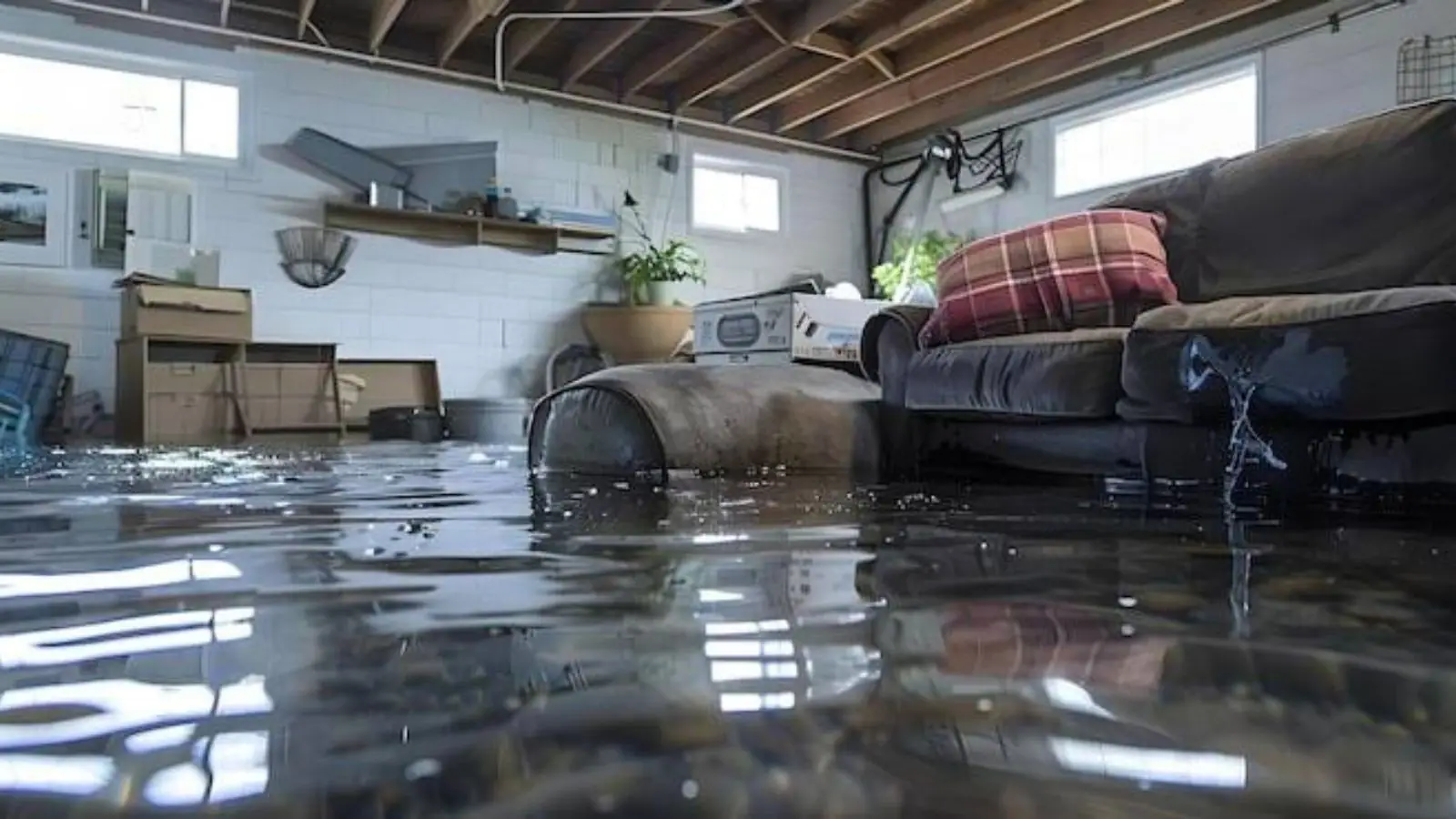
Flood damage restoration in Flower Mound, TX is the work of removing storm, creek or groundwater and sewage backup from a home, then drying, cleaning and repairing what it touched. Flood water is not clean, and it is handled as contaminated water. Dispatch is open 24/7. While you wait, stay out of the water, shut off power only if the panel is dry and reachable, and call 911 or the utility first if you smell gas or see sparking.
Flood damage differs from a plumbing leak because the water comes from outside the supply system. It carries soil, bacteria and debris, and it often reaches the home slowly and stays for days. That changes what can be saved, what the crew wears and what your insurance covers.
When Flood Water Is an Emergency
Water entering the home from outside, rising in a crawl space or backing up from a floor drain is always an emergency. Do not walk through it. Callers describe water coming into a crawl space from an irrigation line or heavy rain, and some describe an entire floor under water. The response starts with safety, then removal, then drying.
What to do while you wait
- Stay out of the water, especially near outlets and appliances.
- Turn off power only if you can reach the panel on dry ground. Otherwise leave and call the utility.
- Move valuables, documents and electronics to higher levels.
- Keep children and pets away from the water and from anything it touched.
- Take photos and video before moving or discarding anything.
Flower Mound Flood Exposure: Check Before You Assume
Flower Mound's southern edge runs along Grapevine Lake and Marshall Creek, and the Denton Creek District sits on the western edge. Living near water does not mean a home floods, and living away from it does not mean a home is safe. The right move is to check the FEMA flood map for your address.
The FEMA Flood Map Service Center lets you enter an address and see the mapped flood zone. If your home is in or near a mapped zone, ask your insurer about a separate flood policy. The Texas Department of Insurance says home policies do not cover floods, including mold that comes from a flood.
| Water source | Coverage question | How restoration treats it |
|---|---|---|
| Burst supply line | Often sudden and accidental, check your policy | Clean water, extract and dry |
| Storm or creek water entering the home | Flood is usually excluded from home policies | Contaminated water, remove porous materials and disinfect |
| Floor drain backup | Depends on the policy, ask your insurer | Contaminated, remove and disinfect |
| Groundwater seeping into a crawl space | Seepage is often excluded, ask your insurer | Pump, dry framing, check insulation |
Flooding now? Call the 24/7 line and a dispatcher will send the nearest crew.
☎ (817) 623-9267Flood Restoration, Step by Step
Secure
Confirm electrical and gas safety before anyone enters.
Remove
Pump standing water and take out contaminated porous materials.
Disinfect
Clean and treat surfaces that stay in place.
Dry
Run air movers and dehumidifiers until readings are normal.
Because flood water is contaminated, crews are more aggressive about removing porous materials like carpet, pad and lower drywall. Crews commonly cut drywall above the highest wet reading rather than at it. That can look like overkill, but it is what prevents odor and mold later, and ANSI/IICRC S500 treats flood water as Category 3.
Basement and Lower-Level Flooding
Whether your home has a basement, a walkout level or a crawl space, any low area, garage or ground-floor room can take on water. Crews pump the space, remove wet finishes and dry the framing. If the water keeps coming back after heavy rain, that is a drainage or foundation problem, and restoration does not fix the cause.
Restoration is not waterproofing. If you see water through a foundation wall after storms, bring in a drainage or foundation specialist once the space is dry. We can restore the damage, but we cannot promise the water will not return without that fix.
Sewage Backup: What to Do First
Raw sewage from a floor drain or toilet is Category 3 water. Stay out of the area, keep children and pets away and do not run water in the house, because it can add to the backup. Call the restoration line and, if the backup comes from the main line, your utility or a plumber for the blockage.
Crews wear protective gear, extract the sewage, remove porous materials that touched it and disinfect what remains. Carpet, pad and lower drywall are usually discarded. Ask the crew how they will contain the area so the contamination does not spread to clean rooms.
What Affects the Cost of Flood Restoration
- Water category: flood and sewage water require more removal and disinfection.
- Depth and square footage affected.
- Materials involved: carpet, hardwood, tile, insulation and cabinets.
- Drying days and the equipment needed.
- Rebuild scope once the structure is dry.
Dispatch explains the scope and price before work starts. For your real number, call the 24/7 line. Because floods are generally excluded from home policies, ask your insurer what applies and keep photos and receipts either way.
After the Water Is Out
Once flood water is removed and the structure dries, the rebuild follows. See water damage repair for drywall, flooring and paint, and water damage cleanup for debris removal and sanitizing. If mold appears, mold remediation explains how Texas handles it.
Flood restoration covers Flower Mound ZIP codes 75022 and 75028 and nearby towns including Lewisville and Grapevine.
Frequently Asked Questions
It is removing flood or sewage water from a home, then drying, cleaning, disinfecting and repairing the damage. Flood water is contaminated, so it is handled differently from a broken pipe.
Yes. Dispatch is open 24/7, including nights, weekends and holidays, and same-day response is available when crews are free. Call as soon as water enters the home.
Use the FEMA Flood Map Service Center and enter your address. You can also ask the Town of Flower Mound or your insurance agent. The map shows mapped zones, not the risk of a one-time plumbing failure.
The Texas Department of Insurance says home policies do not cover floods, including mold that results from a flood. Flood protection requires a separate policy, so ask your insurer.
Stay out of the area, keep children and pets away, avoid running water and call. Crews wear protective gear, extract the water, remove affected porous materials and disinfect.
No. Restoration repairs the damage. If water returns after storms, a drainage or foundation specialist needs to address the cause.