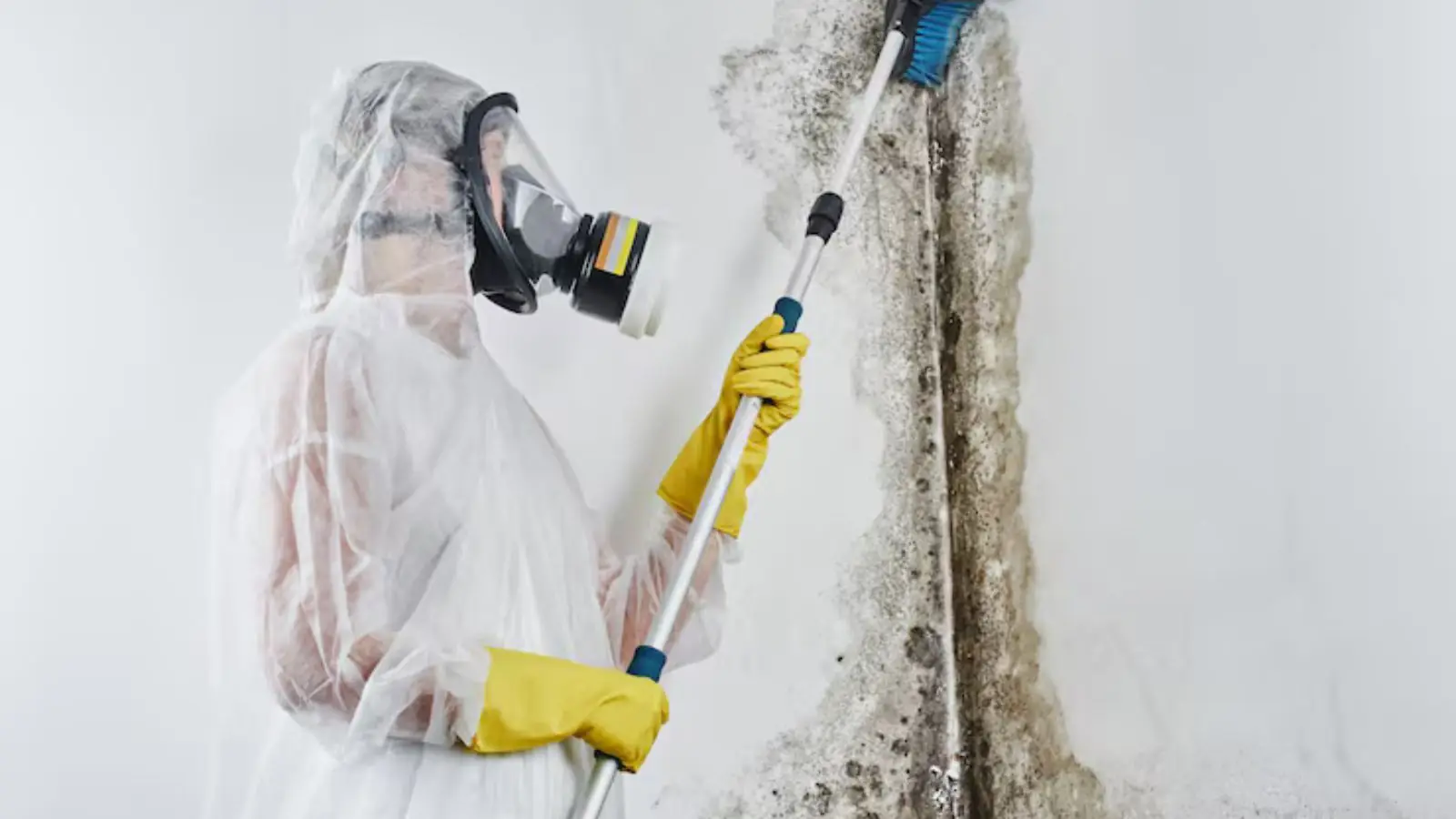
Mold remediation in Flower Mound, TX is the process of removing visible mold and fixing the moisture that fed it, following a written protocol and ending with a post-remediation inspection. Mold needs moisture to grow, so the leak, the condensation or the humidity problem has to be found first. Call the 24/7 line and a dispatcher will connect you with licensed and insured restoration professionals and explain what Texas rules mean for your job.
Mold is the second service we dispatch, after water damage, and many callers arrive here because of a leak. If water is still present, start with water mitigation so the cause is dealt with before any mold work begins.
Spots, Smells and Stains: Is It Mold?
Most people search for what they see. A dark patch in the corner of a bathroom ceiling, a musty smell near basement stairs, a spot on a closet wall behind where furniture was moved, a bit of growth under carpet that was pulled up. Those are common ways people first notice mold, and many follow a leak under a sink, from an upstairs toilet or a backed-up AC condensation line.
The trade name for the fix is mold remediation, and the trade name for identifying it is mold assessment. Color alone does not identify the type of mold. If you want to know what is growing and how far it has spread, that is an assessment, which is separate from removal.
How Texas Regulates Mold Work
The Texas Department of Licensing and Regulation (TDLR) licenses mold assessors and remediators. TDLR says companies that do mold assessment or remediation must be licensed, so ask any company for its license and check it through TDLR before you sign.
TDLR also says that, generally, one company may not do both the assessment and the remediation on the same project. A licensed assessment consultant writes a protocol that sets the materials, locations, methods and cleanup criteria, and the remediation contractor follows it. Expect two scopes and, usually, two companies.
| Step | Who does it | What you receive |
|---|---|---|
| 1. Find and fix the moisture | Plumber, roofer or HVAC technician | The source of water stopped |
| 2. Assessment and protocol | Licensed mold assessment consultant | A written protocol with cleanup criteria |
| 3. Remediation | Licensed remediation contractor | Containment, removal and cleaning to the protocol |
| 4. Post-remediation inspection | Assessor, then licensed remediator for the certificate | Clearance and a Certificate of Mold Damage Remediation |
Mold after a leak? Call the 24/7 line and describe what you see.
☎ (817) 623-9267Small Areas and Do It Yourself
TDLR says visible mold under 25 contiguous square feet can generally be cleaned by an owner or maintenance staff, and homeowners may in some circumstances do their own remediation. A licensed remediation contractor, however, must follow the rules even on jobs under 25 square feet.
If you decide to clean a small area yourself, fix the moisture first or the mold returns. TDLR consumer tips include drying wet surfaces after bathing, keeping indoor humidity at or below 50 percent with air conditioning or a dehumidifier, not carpeting bathrooms and drying spills quickly. Questions about health belong with a physician, not a website.
Mold Testing and Inspection
Assessment work such as collecting air or spore samples requires a TDLR assessment license, while visual observation alone does not. Testing is useful when you cannot tell what you are seeing, when a buyer or lender asks for documentation, or when you want a written protocol before remediation begins.
For a home sale, a buyer or lender may require clearance. A licensed remediator issues the Certificate of Mold Damage Remediation on TDI Form MDR-1 after a post-remediation inspection, and it certifies the property does not contain evidence of mold damage. No company can promise how a lender will treat the document.
Mold After Water Damage
The Texas Department of Insurance warns that mold can start growing within a day after a leak. That is why quick drying matters, and why emergency water removal and water damage cleanup are part of mold prevention. Gradual leaks that go unnoticed give mold the time it needs.
When drywall, carpet or insulation stays wet for days, mold often follows. If you find it while repairing, stop removing material and call before you disturb more. Opening a wall can spread spores, which is why remediation uses containment and negative air.
Mold Removal and Black Mold Cleanup
Mold removal means taking out contaminated porous materials, such as drywall and insulation, and cleaning surfaces that can be saved. HEPA vacuums and damp wiping handle fine dust, and containment keeps cleanup from spreading mold to clean rooms. Antimicrobial products may be used where the protocol calls for them.
Black mold is a common name for dark mold, and the color does not identify the species. Treat dark growth the same as any mold: find the moisture, assess, remediate to a protocol and verify. The ANSI/IICRC S520 standard governs mold remediation, and you can ask any company whether its crews work to it.
What Affects the Cost of Mold Remediation
- Area affected and how far growth has spread behind surfaces.
- Materials: drywall, insulation and framing cost different amounts to treat or replace.
- Containment and air filtration needed for the job.
- The cost of the assessment and protocol, which is a separate company and scope.
- Fixing the moisture source and any rebuild after removal.
Scope and price are explained before work starts. For your real number, call the 24/7 line. For insurance, TDI says mold on a covered damaged item is covered, gradual leaks and their mold are generally excluded, and most policies do not include mold cleanup and testing after the damaged item is removed. Ask your agent about options.
Mold Remediation in Flower Mound and Nearby Towns
Mold crews serve Flower Mound ZIP codes 75022 and 75028 and nearby towns, including Lewisville. If mold follows a leak, the first call is still about the water, and the sequence above keeps the work in order. For repairs after clearance, see water damage repair.
Frequently Asked Questions
It is removing visible mold and fixing the moisture that fed it, following a written protocol and ending with a post-remediation inspection. Mold needs moisture to grow.
TDLR says companies that do mold assessment or remediation must be licensed, and homeowners may in some circumstances do their own work. Ask any company for its TDLR license before you sign.
TDLR says generally not on the same project. A licensed assessor writes the protocol, and a separate licensed remediator follows it, so expect two scopes.
Mold itself is rarely an emergency, but an active leak is. The dispatch line is open 24/7, and if water is present, the first step is stopping and drying it.
It is issued by a licensed remediator after a post-remediation inspection on TDI Form MDR-1 and certifies the property does not contain evidence of mold damage. Buyers and lenders sometimes ask for it.
TDI says mold on a covered damaged item is covered, while gradual leaks and their mold are generally excluded. Many policies do not include mold cleanup and testing, so check your policy.