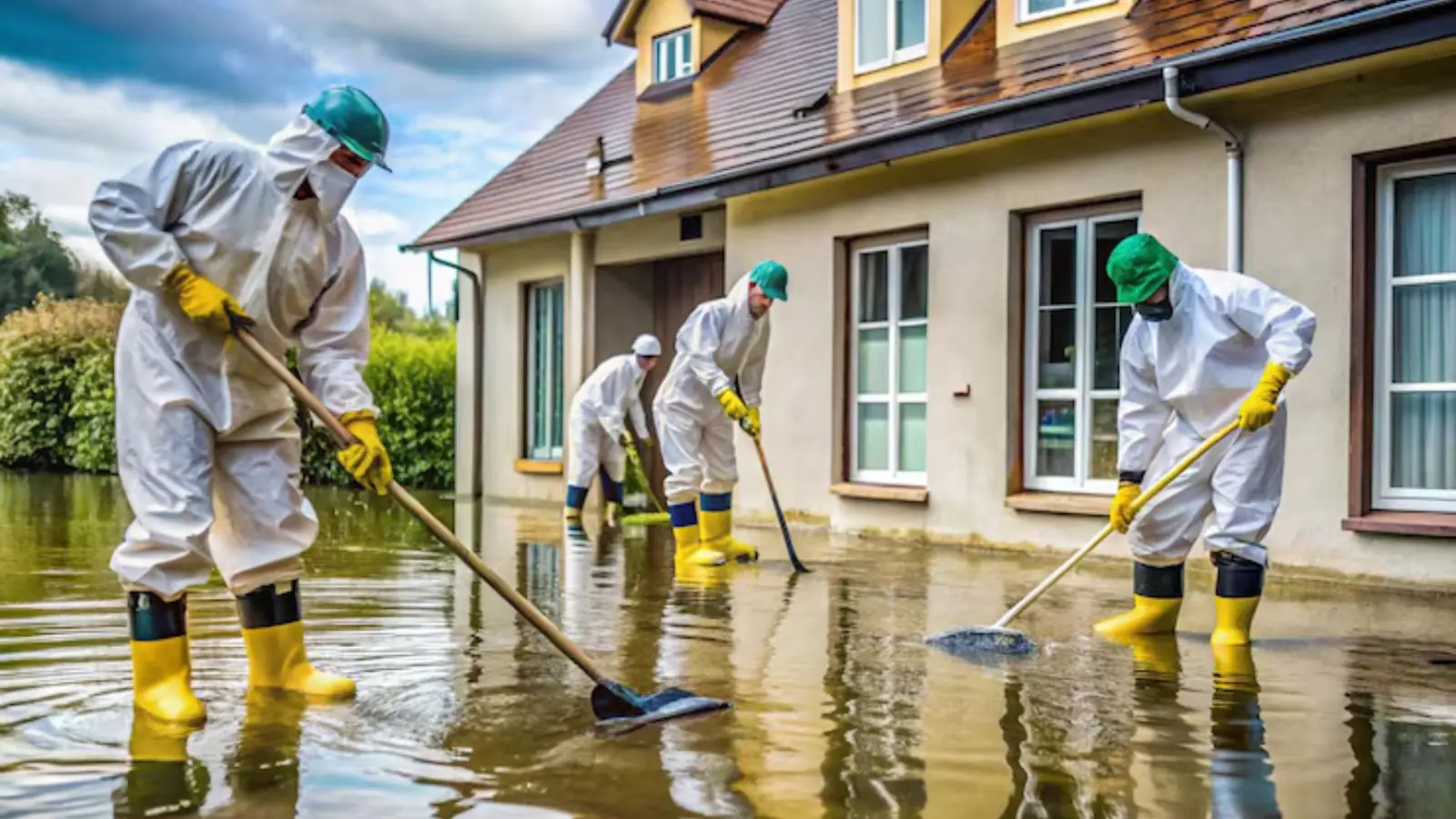
Water damage cleanup in Flower Mound, TX begins the moment the water is stopped and the standing water is gone. It covers removing wet and contaminated materials, cleaning surfaces, sanitizing and controlling odor, and the first 48 hours decide how much can be saved. Dispatch is open 24/7. While you wait, shut off the water source, keep people and pets out of wet rooms and avoid touching anything that was in contact with dirty water.
Cleanup is the middle stage. It follows emergency water removal and comes before the rebuild covered in water damage repair. The goal is a clean, dry and sanitary space that is ready for repair.
Why the First 48 Hours Matter
Wet porous materials turn from a drying job into a disposal job quickly. Carpet pad, insulation and soft drywall that stay wet for a couple of days often cannot be saved, and the Texas Department of Insurance warns that mold can start growing within a day after a leak. A fast, thorough cleanup reduces what has to be thrown out.
Clean water from a supply line behaves differently from water that has touched a floor drain, a toilet or the outdoors. The category of water decides what cleanup involves, and it is the first thing a technician checks.
| Item | Clean water (Category 1) | Gray or dirty water (Category 2 and 3) |
|---|---|---|
| Carpet | Often saved if extracted and dried fast | Usually removed |
| Carpet pad | Often replaced, even after clean water | Removed |
| Drywall | May dry in place if caught early | Removed to a line above the wet readings |
| Hard floors | Dried and cleaned | Cleaned and disinfected, or replaced if porous |
| Upholstery | Dried and cleaned if treated quickly | Usually discarded |
| Cabinet toe-kicks | Dried, then checked for swelling | Removed, cleaned and replaced |
The Cleanup Sequence
- Remove wet materials that cannot be dried: pad, insulation, soaked drywall and swollen trim.
- Bag and haul out debris so it does not sit in the home.
- Clean surfaces that stayed in place with detergent and the right antimicrobial product.
- Treat wall cavities and subfloor edges exposed by removal.
- Control odor at the source rather than masking it.
- Verify that surfaces are clean and readings are heading to dry before closing anything up.
Cleanup and drying overlap. Equipment from water mitigation usually runs while cleanup is under way, so the structure is drying as it is cleaned. Closing a wall over a surface that has not been cleaned and dried is one of the most common reasons for smells that return.
Need cleanup started today? Call the 24/7 line and describe what got wet.
☎ (817) 623-9267Odor After a Leak Means Something Is Still Wet
A smell near a cabinet, closet or stairwell after a leak usually points to damp material you cannot see. Callers describe a bad smell near basement stairs, in a closet beside the air handler or under a sink. Air fresheners and ozone machines cover it temporarily, but the smell comes back until the wet source is found and removed.
A thermal camera and moisture meter find the source in minutes. If the material is salvageable, it is dried and treated, and if not, it is removed. If you find visible mold during cleanup, the work changes, and the section on mold remediation explains how that process is handled in Texas.
What Water Damage Cleanup Does Not Include
Cleanup is not waterproofing. A caller with water coming in through a foundation or wall needs a foundation or drainage specialist for the cause, and restoration only handles the damage. Cleanup also does not rebuild finished surfaces. Once the space is clean and dry, repair takes over.
Ask the crew whether they handle contents such as furniture and electronics, and what they leave to you. Photograph everything before it is moved and keep damaged items until your insurance adjuster has seen them, as TDI advises.
What Affects the Cost of Water Damage Cleanup
- Water category: clean water is simpler than gray water or sewage.
- Area affected and how many rooms the water reached.
- Materials removed: carpet and pad cost less to remove than tile, cabinets or plaster.
- Time between the loss and the start of cleanup.
- Amount of debris and the access to haul it out.
Scope and price are explained before work starts. For your real number, call the 24/7 line. For insurance, TDI says sudden and accidental water damage is often covered, while gradual leaks are generally excluded. Check your policy or ask your insurer.
Cleanup in Flower Mound and Nearby Towns
Cleanup crews serve Flower Mound ZIP codes 75022 and 75028 and nearby towns, including Lewisville. The process is the same wherever the call comes from, but the cause varies. A washer valve that fails in a Flower Mound home, a roof leak in Argyle or an HVAC condensate line backing up in Grapevine each leave a different pattern of wet material.
If you are not sure whether the damage is a cleanup, a drying or a repair job, call and describe what you see. Dispatch will point you to the right stage and explain what to do while you wait. The published reference for the whole sequence is ANSI/IICRC S500, and you can ask any company whether its crews work to it.
Frequently Asked Questions
It includes removing wet and contaminated materials, hauling debris, cleaning and sanitizing surfaces, treating exposed cavities and controlling odor. It prepares the home for repair.
Yes. Dispatch is open 24/7, including nights, weekends and holidays, and same-day response is available when crews are free. Starting in the first 48 hours saves more material.
Sometimes. Carpet exposed to clean water and extracted quickly can often be dried and kept, while the pad is usually replaced. Carpet exposed to gray or dirty water is usually removed.
A lingering smell usually means damp material remains behind a surface, such as carpet pad, insulation or the back of drywall. A moisture meter and thermal camera can locate it.
No. Cleanup removes damaged material and sanitizes surfaces. Drying removes moisture from the structure with air movers and dehumidifiers. They overlap, but each has its own scope.
TDI says most policies cover sudden and accidental water damage and generally exclude gradual leaks and floods. Check your policy, photograph the damage and keep damaged items until the adjuster has seen them.